
What to know about severe depression
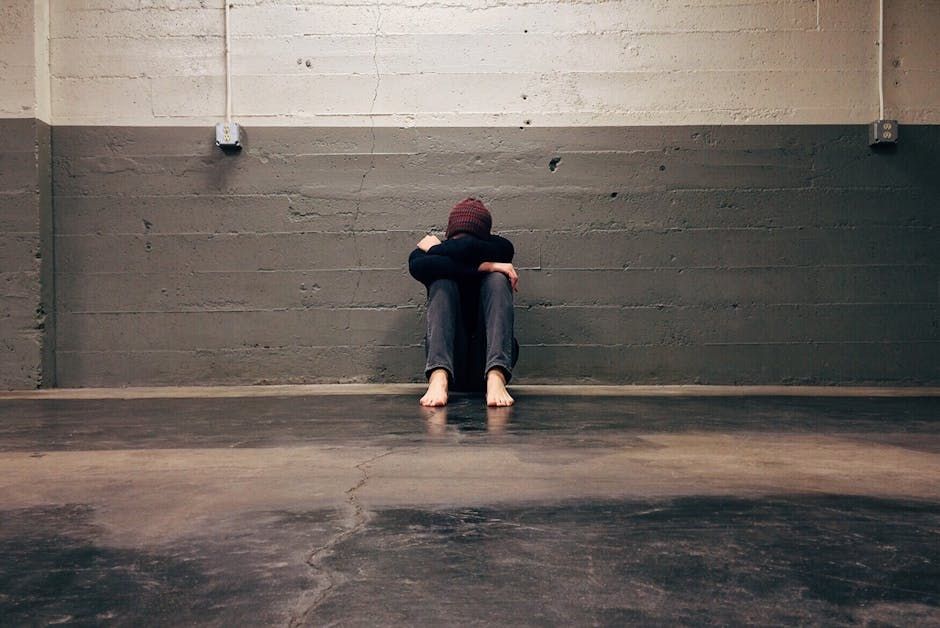
Severe depression means that a person’s depression symptoms are very intense, often enough to interfere with many daily functions. People with severe depression may have thoughts of suicide or self-harm.
They can feel extremely sad and unable to focus on anything other than their unhappiness. Their depression may affect their relationships, perceptions of the world, and self-image.
Some may experience unexplained aches and pains.
Keep reading to learn more about severe depression, including symptoms, treatment, and where to go to get help.
What is severe depression?
Muhammad Sholeh/EyeEm/Getty Images Major depressive disorder is a mood disorder that causes a person to feel very sad or unhappy much of the time. It is different fromfeeling sad due to negative life circumstances, although negative events may increase the risk of depression.
Depression exists on a continuum, from symptoms that mildly disrupt daily life to those that are debilitating. Severe depression is not a distinct diagnosis.
Instead, it is a subjective judgment based on how significantly a person’s depression symptoms affect them. A 2018 study found that the Diagnostic and Statistical Manual of Mental Disorders (DSM-5) criteria for major depression correlate with the severity of depression.
Therefore, people with severe depression may have more symptoms and a wider variety of symptoms.
The inability to feel happiness was a major predictor of severe depression.
Symptoms
of severe depression
Major depressive disorder primarily affects mood, causing a person to feel sad or negative for an extended period of time. Some symptoms of depression include: Depressed mood: A person may feel sad, unhappy, or angry most of the time, even when good things happen.
Sleep issues: A person may have trouble sleeping or sleep much more than they typically would. Appetite issues: People with depression may have changes in appetite and can lose or gain weight without trying.
Changes in movement: Some people with depression feel very restless. Others feel unable to move or very slow.
Suicidality: People with depression may have thoughts of suicide or self-harm. Some may attempt suicide.
Loss of pleasure: People with major depression may have trouble getting pleasure from activities they once enjoyed. Guilt and worthlessness: Depression can affect self-image and self-esteem, making a person feel guilty or worthless.
The 2018 study previously mentioned suggests certain symptoms are more common among people with severe depression. Those symptoms include: suicidal thoughts loss of pleasure feelings of guilt or worthlessness depressed mood Although there are no formal stages of severe depression, a person’s experience of depression may get worse over time.
This is especially true if depression makes it difficult to work or engage in meaningful relationships.
What are the causes of severe depression?
Depression is a complex medical condition. It does not have a single cause.
Instead, an interaction of biological, social, and psychological factors may cause depression. A person with a biological predisposition to depression may only become depressed in the right environment.
Doctors call this the biopsychosocial model. Some risk factors for depression include: stress, such as living in a violent or unstable environment trauma, such as experiencing abuse or an attack biochemistry, with differences in brain chemicals potentially increasing the risk of depression genetics, with some genes increasing the risk family history, with a higher risk of depression when others in a family have it alcohol or drug use some medications having certain medical conditions, including chronic and serious illnesses Seeking help for severe depression One of the challenges of depression is that the negative outlook it causes may convince a person that treatment will not work or that the depression is their fault.
Depression is a medical condition. It is not something a person causes or can think their way out of.
The earlier a person gets help, the better their outlook is. A 2019 review of researchshowed early treatment can reduce the length of time a person is depressed and can help prevent depression from getting worse.
Any healthcare professional can diagnose depression, so treatment often begins with seeing a doctor. Mental health professionals such as psychiatrists and psychotherapists are experts at treating depression.
It is a good idea to ask a doctor for a referral to a mental health clinician. While doctors can prescribe medication, therapy may improve outcomes.
Help is out there If you or someone you know is in crisis and considering suicide or self-harm, please seek support: Call or text the 988 Lifeline at 988 or chat at 988lifeline.org. Caring counselors are available to listen and provide free and confidential support 24/7.
Text HOME to the Crisis Text Line at 741741 to connect with a volunteer crisis counselor for free and confidential support 24/7. Not in the United States?
Find a helpline in your country with Befrienders Worldwide. Call 911 or your local emergency services number if you feel safe to do so.
If you’re calling on behalf of someone else, stay with them until help arrives.
You may remove weapons or substances that can cause harm if you can do so safely.
If you’re not in the same household, stay on the phone with them until help arrives.
Diagnosis
No blood test or physical exam can conclusively diagnose severe depression. Instead, doctors diagnose the condition based on self-reported symptoms.
They may do this by having the person complete a questionnaire about their recent moods and activities. However, if a person has other medical issues or is at risk of certain diseases, a doctor may perform additional tests to rule out other causes such as hypothyroidism.
A person should tell their doctor or another member of their healthcare team about all symptoms to help ensure that depression, and not another condition, is the right diagnosis. Treatment for severe depression A number of treatmentsmay help.
For most people, the first-line treatment is an antidepressant. There are dozens of antidepressant options, each with its own risks and benefits.
A person considering antidepressants should talk with a doctor about their needs and ask about side effects. Other treatments to complement antidepressants can also work.
They include: individual therapy family or couples counseling other drugs, such as mood stabilizers electroconvulsive therapy (ECT), which uses an electric current to create a brief seizure in the brain that can improve symptoms of certain mental health conditions transcranial magnetic stimulation , a kind of brain stimulation that may ease symptoms vagus nerve stimulation, which stimulates the vagus nerve to ease symptoms
Outlook
for severe depression
Depression can sometimes bechallenging to treat. Depressive episodes may last 6 to 12 months if a person does not get treatment for them, or treatment does not work effectively.
Often, depression comes back, with or without treatment. The previously mentioned 2019 review of research emphasizes that there are no good measures for assessing the outlook for someone with depression, but early treatment correlates with better outcomes.
Additionally, people who get positive results early in treatment tend to have a better outlook.
People with depression may need to try several treatments before finding one that works. While early treatment is critical, some people may have to continue to manage their depression long term.
Following healthy habits, such as regularly attending therapy, taking medication as prescribed, maintaining a good support network, and looking after the body, can all help in managing depression long term and reducing the chances of relapse.
How to help someone with severe depression
Depression can make it difficult for a person to get treatment. Some people may not realize they are depressed, while others find the prospect of calling a healthcare professional, getting care, and making lifestyle changes challenging.
Some ways to help include: being supportive and caring — do not blame someone for their depression trying to minimize demands as much as possible — extended family may need to relax expectations surrounding holidays and time together being physically present if the person finds this comforting taking threats of suicide seriously and contacting the Suicide & Crisis Lifeline at 988 offering to help the person access treatment by calling a care professional, finding treatment, or even going with them to a first appointment or multiple appointments
Mental health resources
Visit our dedicated hub for more research-backed information and resources on mental health and well-being.
Summary
Severe depression can be a very painful experience, both for the person who has depression and for those who love them. A person in a depressive episode may find daily tasks more challenging, experience more conflict in their relationships, and question their worth.
Depression may also increase behaviors that further compromise a person’s quality of life, making it more challenging to eat healthily, stay physically active (such as exercising), or go to work. Reaching out about severe depression is important, as early treatment is more effective.
It may take time and experimentation to find the right treatment or combination of treatments, but with a supportive care professional, a person can find the right treatment for their depression and learn ways to manage it long term.